Start with current advice, then plan your visit.
This article combines Aydın’s personal guiding experience with official travel information. It is not an assurance of safety or a replacement for your government’s advice.
Level 2: increased caution. The advisory covers terrorism, armed conflict and arbitrary detentions, with stricter border-area restrictions.
Read the full U.S. advisory ↗Check regional restrictions, security guidance and possible travel disruption. The advice updated on 15 October specifically notes heavy rain and flooding in Istanbul.
Read the latest FCDO advice ↗Exercise a high degree of caution due to terrorism and possible large demonstrations. Additional regional warnings apply.
Read Canada’s travel advice ↗Check again before departure and during your stay. Follow local instructions, avoid demonstrations and check your insurer’s terms. In an emergency in Türkiye, call 112.
Dear Visitors,
There is one question I hear again and again from travelers planning their first visit to Istanbul:
“Is Istanbul safe for tourists?”
As a professional licensed tour guide, I have been asked this question by visitors from many countries, particularly the United States.
Sometimes guests ask before they book their trip.
Sometimes they ask when arranging an airport transfer.
And sometimes they ask me after arriving in Istanbul, while we are walking through Sultanahmet or enjoying the beautiful views of the Bosphorus.
I understand their concerns.
When you watch international news, you hear about conflicts in the Middle East, political tensions, security warnings, and problems in neighboring countries.
Then you look at a map, see where Türkiye is located, and naturally begin to wonder whether visiting Istanbul is a good idea.
But there is something important I always tell my guests.
The location of a country on a map does not tell you everything about everyday life in its cities.
Istanbul is a huge, energetic, international city where people work, study, shop, dine, meet friends, raise families, and welcome visitors every day.
I have traveled internationally myself, and in my personal experience, Istanbul is a city where I feel remarkably comfortable.
That does not mean Istanbul has no risks.
No major city does.
But I believe visitors deserve to understand the difference between the images they see on television and the everyday experience of traveling around Istanbul.
Let me explain.
1. Why Are Some Tourists Worried About Visiting Istanbul?
The first reason is geography.
Türkiye sits at the crossroads of Europe and Asia.
It borders several countries and is relatively close to regions that have experienced serious political and military conflicts.
When international news reports on war, terrorism, or instability in the wider region, some travelers begin to associate those events with Istanbul.
This is understandable, especially for visitors who have never been to Türkiye.
But Istanbul is not located on the Syrian or Iraqi border.
It is in northwestern Türkiye, beside the Bosphorus and the Sea of Marmara.
The city has its own geography, neighborhoods, transport network, tourism infrastructure, and daily life.
That distinction matters.
However, it would also be wrong to suggest that events elsewhere can never affect Istanbul.
Regional tensions can influence security precautions, demonstrations, flights, and travel arrangements.
That is why I always encourage visitors to check current official travel advice rather than relying only on headlines or social media.
My advice is simple: Be informed, but don't confuse an entire region with one city.
2. What I Hear From American Visitors
Many of the questions I receive come from American travelers.
Before arrival, some are concerned about safety, political tensions, or whether they will feel comfortable walking around Istanbul.
I take these concerns seriously.
But one of the most enjoyable parts of my work is seeing how visitors' impressions change after they begin exploring the city.
They discover the busy streets of Sultanahmet.
They see families walking together.
They visit the magnificent mosques, museums, and markets.
They enjoy Turkish food and hospitality.
They take a ferry across the Bosphorus.
And they begin to experience Istanbul as a real city rather than a distant news headline.
I have had guests reflect on their earlier worries with surprise and humor.
Some realize that the Istanbul they imagined before arriving is very different from the Istanbul they actually experience.
I never promise visitors that nothing can happen.
Instead, I want them to discover the city for themselves while taking sensible precautions.
The best way to overcome an inaccurate impression of a place is through real experience, supported by reliable information.
3. Is Istanbul Safe for Walking and Sightseeing?
For many visitors, walking is one of the most enjoyable ways to discover Istanbul.
Historic neighborhoods such as Sultanahmet are filled with important monuments, hotels, restaurants, shops, and travelers.
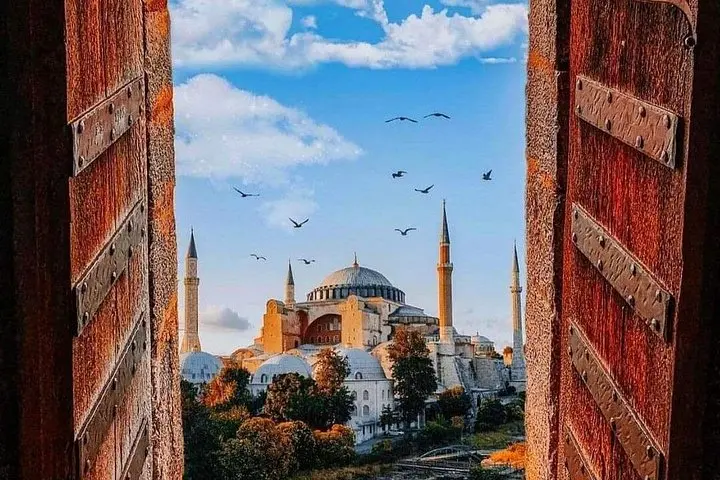
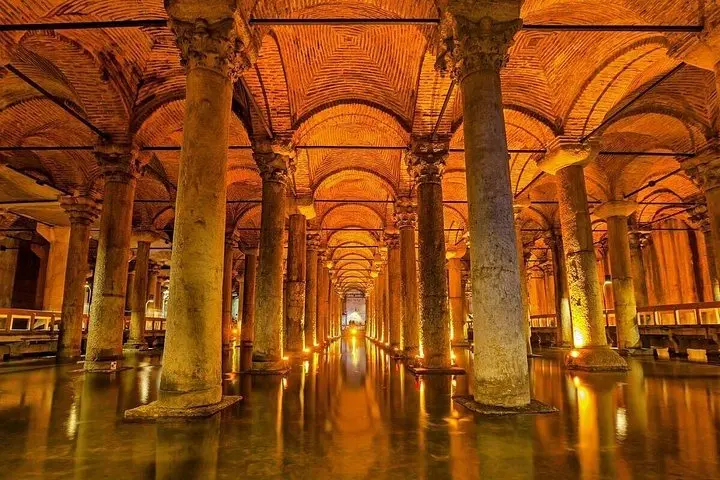
Hagia Sophia, the Blue Mosque, the Hippodrome, and the Basilica Cistern are located within a relatively compact historic area.
Other popular destinations include Eminönü, Galata, Karaköy, the Bosphorus waterfront, and the city's lively shopping districts.
These are places where visitors regularly explore and enjoy their holidays.
However, just as in London, Paris, Rome, or New York, travelers should remain aware of their surroundings.
In crowded areas, keep your phone, wallet, and passport secure.
Be careful when boarding busy trams or ferries.
Avoid displaying large amounts of cash.
And use ordinary caution when walking through unfamiliar areas late at night.
Istanbul is a large metropolis, and conditions vary by neighborhood, time of day, and current events.
My personal recommendation is to explore confidently, but never carelessly.
4. What About Terrorism and Regional Conflicts?
This is a serious question, and it deserves a serious answer.
Türkiye has experienced terrorist attacks in the past, including incidents in Istanbul.
International governments continue to warn travelers about terrorism risks, possible demonstrations, and regional instability.
These warnings should not be dismissed.
At the same time, a travel advisory is not necessarily an instruction to cancel every trip to a country.
Different countries use different advisory systems, and the warnings often distinguish between specific high-risk regions and other destinations.
As checked on 19 October 2026, the U.S. advisory is Level 2: exercise increased caution, citing terrorism, armed conflict and arbitrary detentions. It advises against travel within 10 km of the Syrian and Iraqi borders. Read the full U.S. travel advisory for its qualifications and current updates.
The United Kingdom and Canada also publish detailed regional and security guidance.
Before traveling, I recommend checking your own government's latest advice.
While in Istanbul, avoid demonstrations and large political gatherings, follow instructions from local authorities, and keep an eye on important travel updates.
The goal is not to frighten visitors.
It is to help them make informed decisions.
Reassurance is valuable, but accurate information is even more valuable.
5. Are Tourists Welcome in Istanbul?
In my experience, absolutely.
Istanbul has welcomed travelers, merchants, pilgrims, diplomats, and visitors from different cultures for centuries.
That international character remains one of the city's greatest strengths.
Every day, I meet people from different countries, backgrounds, and religions.
Some come for Byzantine history.
Others come for Ottoman architecture.
Some want to discover Turkish cuisine and traditional crafts.
Others are fascinated by the Bosphorus, local neighborhoods, or the city's extraordinary cultural diversity.
One of the things I enjoy most about guiding is watching people discover how much history and culture Istanbul has to offer.
Most visitors quickly realize that the city is far more diverse and welcoming than they expected.
Of course, individual experiences vary, and no destination can guarantee that every encounter will be pleasant.
But travelers should not assume that political disagreements or international news automatically reflect how local people will treat them.
I encourage guests to approach Istanbul with curiosity, respect, and an open mind.
6. What Are the Most Common Problems Tourists Should Watch Out For?
In everyday sightseeing, many practical concerns involve ordinary big-city problems rather than regional conflict.
Pickpocketing in Crowded Areas
Busy trams, markets, transport stations, and popular sightseeing areas can attract pickpockets.
Keep valuables secure and remain aware of your belongings, especially in crowded spaces.
Taxi Disagreements and Overcharging
Use established taxi-booking methods, confirm the vehicle and journey details, and check that the appropriate fare system is being used.
If you prefer a prearranged journey, a private airport transfer can provide clearer pickup arrangements and an agreed price.
Unsolicited Invitations and Tourist Scams
Be cautious if a stranger insists on taking you to an unfamiliar bar, restaurant, or shop.
Some scams involve unexpectedly high bills or pressure to spend money.
You should always feel free to decline an invitation.
Shopping Pressure
Istanbul is famous for carpets, ceramics, jewelry, leather goods, and traditional craftsmanship.
Exploring these traditions can be a wonderful cultural experience.
But you should never feel obliged to purchase something.
Choose reputable businesses, ask about prices in advance, and take your time before making an expensive purchase.
Demonstrations and Unexpected Disruptions
Political demonstrations can affect streets, public transport, and security arrangements.
Avoid gathering areas and follow official instructions.
A little preparation goes a long way toward making your visit smoother and more enjoyable.
7. Is Istanbul Safe for Women Traveling Alone?
Istanbul attracts many women traveling independently, with friends, or in small groups.
There is no single experience that applies to every traveler.
Many women enjoy exploring the city's historic districts, museums, cafés, and shopping areas.
However, unwanted attention and harassment can occur.
I recommend the same practical precautions that are sensible in other large cities:
Choose well-reviewed accommodation, plan unfamiliar routes in advance, use reliable transport, and avoid isolated streets late at night.
If someone makes you uncomfortable, you do not need to continue the conversation or accept their invitation.
Traveling independently can be a wonderful experience, and sensible planning can make it more comfortable.
For visitors who prefer additional local assistance, a private licensed guide can also help with sightseeing logistics and navigating unfamiliar areas.
8. Is Istanbul Safe for Families and Older Travelers?
Families and older visitors often ask me about safety, walking distances, and the pace of sightseeing.
In my experience, one of the biggest challenges is not always security.
It is trying to do too much.
Istanbul's historic areas have cobbled streets, slopes, crowds, and monuments that require considerable walking.
During the summer, heat can make sightseeing more tiring.
That is why I frequently recommend dividing the famous Old City attractions into two relaxed days.
On the first day, you can explore Hagia Sophia, the Blue Mosque, the Hippodrome, and Arasta Bazaar.
On the second day, you can discover Topkapı Palace, the Basilica Cistern, and perhaps the Grand Bazaar if you still have the energy.
A comfortable itinerary allows you to appreciate the history without rushing from one place to another.
And for families, older travelers, or visitors with mobility concerns, we can discuss the most suitable route before the tour.
A good travel experience should be enjoyable, not exhausting.
9. Is Public Transportation Safe in Istanbul?
Istanbul has an extensive public transportation system, including trams, metro lines, buses, ferries, and suburban rail services.
Millions of journeys are made across the city through this network.
For tourists, the T1 tram is particularly useful because it connects several important sightseeing areas.
Ferries are another wonderful way to experience Istanbul, especially when traveling between the European and Asian sides.
Public transport can be a practical option, but busy vehicles and stations require extra attention to personal belongings.
Check routes before traveling, keep valuables secure, and allow extra time during rush hours.
For travelers with heavy luggage, limited mobility, or an early flight, a prearranged transfer may be more convenient.
10. What About Earthquakes in Istanbul?
There is another safety issue that visitors should understand.
Istanbul is located in an earthquake-prone region.
This is a genuine natural hazard and should not be ignored.
Earthquakes cannot be predicted reliably by exact date or time, but travelers can prepare.
Before arriving, learn the basic earthquake safety guidance.
When checking into your hotel, identify emergency exits and ask about the property's emergency procedures.
Keep important documents and essential items accessible.
In the event of an earthquake, follow official instructions and established safety guidance.
Türkiye’s Disaster and Emergency Management Authority, AFAD, provides information and emergency resources.
Being prepared is sensible wherever you travel in an area exposed to natural hazards.
11. Why Traveling With a Licensed Local Guide Can Help
One of the advantages of exploring Istanbul with a professional licensed guide is having someone who understands the city.
A local guide can help you organize a realistic itinerary, explain the historical monuments, navigate sightseeing areas, and adapt the day when conditions change.
For example, prayer times may affect mosque visits.
A demonstration or road closure may require a different route.
Heavy traffic may make a particular schedule unrealistic.
Or you may simply become tired and want to slow down.
With a private tour, we can make adjustments according to your interests and comfort.
Of course, hiring a guide does not eliminate security risks or guarantee safety.
But it can make an unfamiliar destination easier to understand and navigate.
And it gives you someone local to ask when you have questions.
12. My Personal Experience as a Traveler
I am not only a tour guide.
I am also a traveler.
I have visited other countries, experienced unfamiliar cities, and understood what it feels like to arrive somewhere for the first time.
You don't know the streets.
You may not speak the language.
You wonder which transportation option to choose.
And sometimes you worry about things that turn out to be very different from what you imagined.
Those experiences have helped me understand my own guests better.
When someone asks whether Istanbul is safe, I don't think it is a silly question.
I think it is a reasonable question from someone who wants to protect their family, enjoy their holiday, and make a good travel decision.
What I can share is my personal experience.
I have spent years exploring Istanbul with international visitors, and I continue to find it a welcoming, fascinating, and rewarding city.
I have also seen how visitors' impressions change once they begin experiencing its neighborhoods, history, food, and everyday life.
That is one of the greatest pleasures of my work.
My Final Advice: Don't Let Headlines Be Your Only Impression of Istanbul
Dear Visitors,
Istanbul is not perfect.
No city is.
It has traffic, crowds, occasional scams, security concerns, and the challenges that come with being a major international metropolis.
Türkiye also faces regional security concerns that travelers should take seriously.
But Istanbul is so much more than the worries that may bring you to this article.
It is a city where Byzantine churches stand near Ottoman mosques.
Where ancient Roman monuments are surrounded by modern life.
Where ferries cross the Bosphorus throughout the day.
Where people gather for Turkish tea, coffee, and conversation.
Where historic bazaars, traditional workshops, and beautiful neighborhoods invite you to explore.
And where centuries of different cultures have created one of the most extraordinary cities in the world.
My advice is to read reliable travel information, take sensible precautions, and make your decision based on the actual conditions at the time of your visit.
If you decide to come, I hope you will discover the Istanbul that I have been sharing with travelers for years.
Not simply the Istanbul you have seen in the news.
But the Istanbul of history, hospitality, beauty, and unforgettable experiences.
Travel informed. Travel thoughtfully. And give Istanbul the opportunity to surprise you.
Warm regards,
Aydın
Licensed Professional Tour Guide in Istanbul
Discover Istanbul With a Local Licensed Guide
Planning your first trip to Istanbul?
We understand that visiting an unfamiliar city can bring many questions.
At Book Private Istanbul, we help travelers plan private sightseeing experiences and airport transfers with clear arrangements and personal local assistance.
Whether you want to discover the famous monuments of Sultanahmet, explore hidden Byzantine history, or simply enjoy a comfortable introduction to Istanbul, we would be delighted to help.
Our Recommended Private Istanbul Experiences
Historic Sultanahmet — Half-Day Private Tour
Hagia Sophia · Blue Mosque · Hippodrome · Arasta Bazaar
€135 per private group for 1–4 guests
Topkapı Palace & Basilica Cistern — Private Tour
Topkapı Palace · Basilica Cistern · Optional Grand Bazaar
€150 per private group for 1–4 guests
Two-Day Relaxed Istanbul Experience
Enjoy both tours over two days.
€285 total private guide fee for 1–4 guests
Entrance tickets, meals, and personal expenses are separate.
We also offer personalized historical tours, including the Walls of Constantinople, Chora, and Istanbul's lesser-known Byzantine heritage.
Have Questions Before Your Visit?
Tell us your travel dates, group size, and what you would like to experience.
We will be happy to discuss your plans and help you choose a suitable private tour.
Website: Book Private Istanbul
WhatsApp: +90 534 739 3846
Your journey should begin with good information, realistic expectations, and a warm welcome.
Frequently Asked Questions About Istanbul Safety
Is Istanbul safe for American tourists?
Many American visitors travel to Istanbul for sightseeing, history, culture, and food. However, U.S. citizens should review the latest State Department advisory, exercise increased caution, avoid demonstrations, and follow standard travel-safety precautions.
Is Istanbul safe to visit despite conflicts in the Middle East?
Istanbul is geographically separate from the conflict-affected border regions identified in official travel warnings. Nevertheless, regional tensions can affect security and transportation, so travelers should monitor current advice and developments.
Is it safe to walk around Sultanahmet?
Sultanahmet is a major tourist district with many historic attractions, hotels, and restaurants. Visitors should take normal urban precautions, particularly against pickpocketing in crowded areas.
Is Istanbul safe at night?
Safety depends on the neighborhood and circumstances. Stick to well-lit, populated streets, use reliable transportation, and avoid isolated areas when unfamiliar with your surroundings.
Are taxis safe in Istanbul?
Many journeys are completed without difficulty, but travelers should be alert to overcharging and other taxi-related scams. Use reliable booking methods and confirm journey arrangements.
Can women travel alone in Istanbul?
Yes, many women visit independently. However, harassment and other safety concerns can occur, so sensible planning and awareness are important.
Should I hire a private guide for my first visit?
A licensed guide can make sightseeing easier by explaining local history, helping plan routes, and adapting the experience to your interests. It is a convenience and cultural benefit, not a guarantee against safety risks.
What is the emergency number in Türkiye?
112 is Türkiye's unified emergency number for police, ambulance, and fire services.