1. Hagia Sophia — Where Two Empires Meet
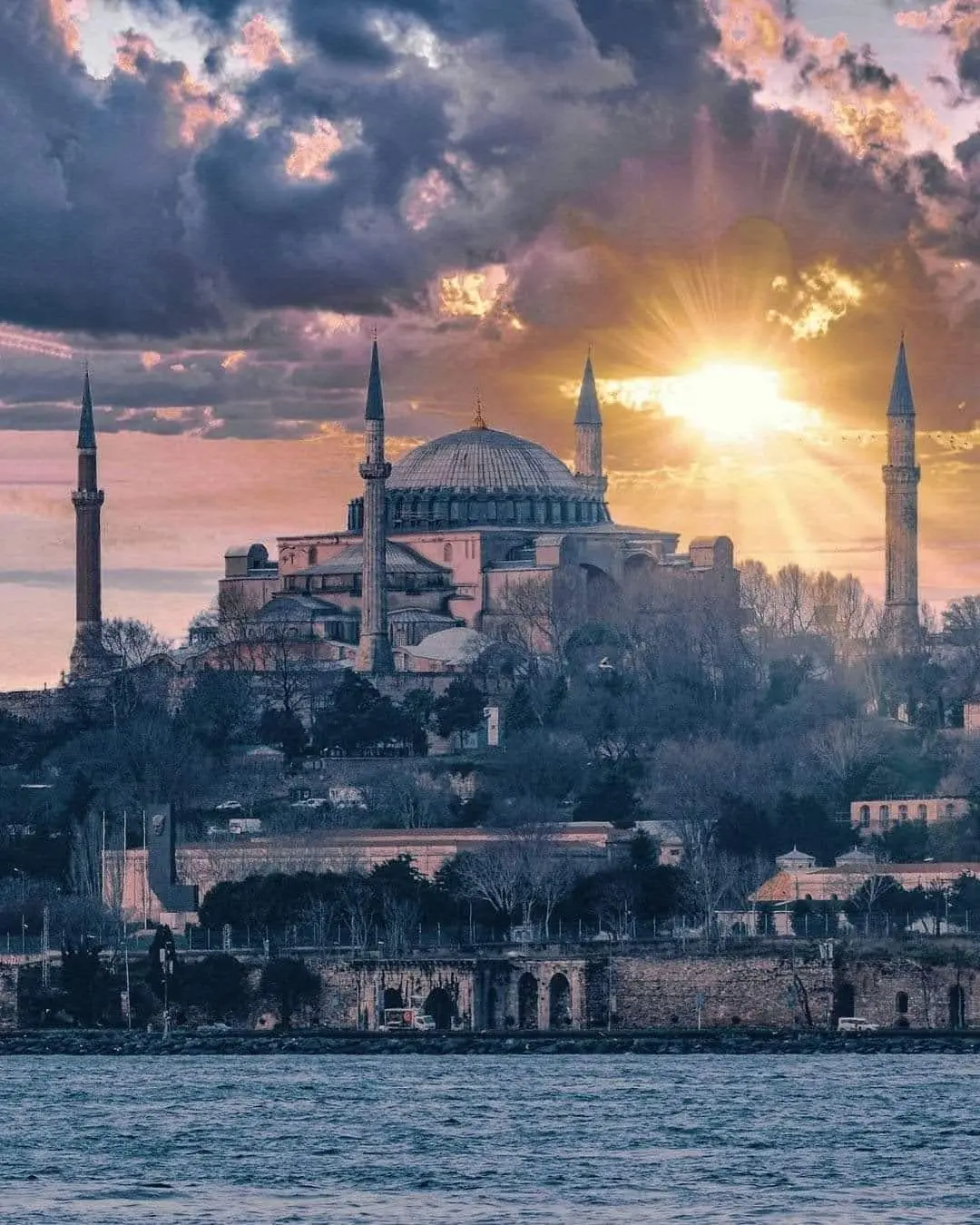
Aydın: My first choice is obvious. Hagia Sophia.
Ruhi: Of course it is!
Aydın: But seriously, imagine standing inside a building completed in AD 537 during the reign of Emperor Justinian. For centuries, it was one of the greatest churches in the Christian world.
Its enormous dome, architectural innovations, mosaics, and remarkable history make it extraordinary.
And then, after the Ottoman conquest of Constantinople in 1453, it became an imperial mosque.
One building. Different empires. Centuries of history.
How could anyone come to Istanbul and miss it?
Ruhi: I agree. But don’t forget that the Ottoman period is an essential part of Hagia Sophia’s story.
The Ottomans maintained, repaired, and adapted the building. Its minarets, calligraphy, and architectural additions reflect another important chapter.
Aydın: Exactly. That is why I always say Hagia Sophia should be understood as a complete historical monument, not only through one period of its history.
Ruhi: And visitors should remember that it is an active mosque today, so sightseeing arrangements and access are different from those of an ordinary museum.
Our verdict: Hagia Sophia is one of Istanbul’s essential historical landmarks.
2. The Blue Mosque — Magnificent Ottoman Architecture

Ruhi: Now it’s my turn. The Blue Mosque!
Aydın: I knew that was coming.
Ruhi: How could I not mention it? The Sultan Ahmed Mosque is one of the great achievements of classical Ottoman architecture.
Its elegant domes, six minarets, beautiful proportions, and famous İznik tiles make it unforgettable.
Aydın: And it stands almost opposite Hagia Sophia. That relationship between the two monuments is fascinating.
Ruhi: Exactly. When visitors stand in Sultanahmet Square, they can see two remarkable imperial traditions facing one another.
Aydın: And there is another important detail. The Blue Mosque is not simply a tourist attraction. It remains a place of worship.
Ruhi: Correct. We always explain the appropriate dress code and plan around prayer times.
3. The Basilica Cistern — The Hidden World Beneath Istanbul

Aydın: Now, Ruhi, we are going underground.
Ruhi: Ah, the Basilica Cistern. I was wondering when you would bring us back to the Byzantines!
Aydın: You cannot understand Constantinople without understanding its infrastructure.
The Basilica Cistern was constructed during Justinian’s reign in the sixth century and helped supply water to the imperial city.
Think about those hundreds of columns, the engineering, the underground atmosphere, and the famous Medusa-head bases.
Ruhi: I have to admit, this is one of those places where visitors are often genuinely surprised.
From the street, you would never imagine what lies beneath your feet.
Aydın: Exactly. Istanbul is a city with history above ground and below ground.
4. The Hippodrome — Where Constantinople Came Alive
Aydın: Next, the Hippodrome.
Ruhi: Aydın, sometimes visitors look at the Hippodrome and ask, “Where is the stadium?”
Aydın: Yes! And that’s when our work begins.
The Hippodrome was once the great ceremonial and sporting center of Constantinople.
Imagine chariot races, cheering crowds, imperial appearances, and intense political rivalries.
The Egyptian Obelisk, Serpent Column, and Walled Obelisk still help us connect with that extraordinary past.
Ruhi: And this is exactly why having a guide can be valuable. Without the stories, you might simply see a public square with a few ancient monuments.
Aydın: But once you understand what happened there, the entire square comes alive.
5. Topkapı Palace — Inside the World of the Ottoman Sultans

Ruhi: Now let me take you somewhere very special: Topkapı Palace.
Aydın: I knew you wouldn’t let us leave Sultanahmet without it!
Ruhi: Of course not.
For centuries, Topkapı Palace was the residence and administrative center of the Ottoman sultans.
Its courtyards, imperial collections, Harem, ceremonial spaces, and views over the Bosphorus reveal an extraordinary world.
Aydın: And I have to say something from my own guiding experience.
Topkapı Palace can be exhausting.
Ruhi: Absolutely!
Aydın: Visitors sometimes underestimate how large it is. They plan one hour and then discover they need much longer.
Ruhi: That is why we recommend giving Topkapı proper attention rather than squeezing it between five other major attractions.
Aydın: Agreed. And remember that it is normally closed on Tuesdays.
6. The Grand Bazaar — More Than Shopping
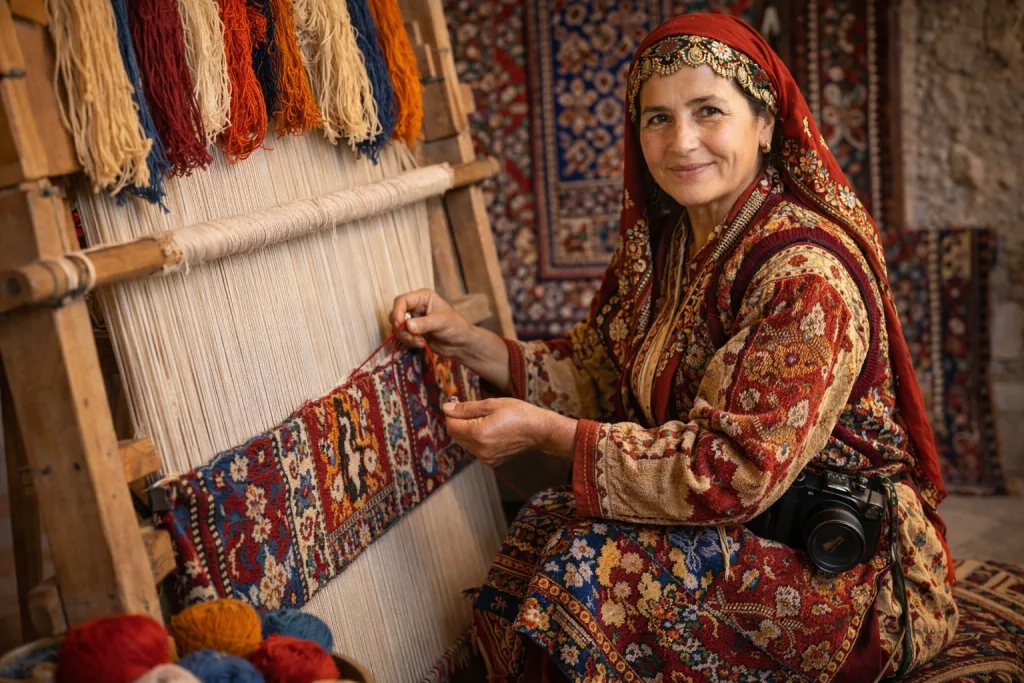
Aydın: Now let’s talk about the Grand Bazaar.
Ruhi: You mean the place where some guests say, “We don’t want to shop,” and then spend two hours looking at carpets and ceramics?
Aydın: Exactly!
Ruhi: The Grand Bazaar is much more than a shopping destination. It is part of Istanbul’s commercial and cultural history.
Traditional craftsmanship, jewelry, carpets, ceramics, textiles, and generations of merchants all form part of its identity.
Aydın: And I always encourage visitors to explore the surrounding streets too.
Sometimes the workshops and smaller businesses outside the main covered market are just as interesting.
Ruhi: But there should never be pressure to buy anything.
Aydın: Absolutely. Discovering craftsmanship is a cultural experience, not an obligation to shop.
7. Süleymaniye Mosque — Ruhi’s Ottoman Masterpiece
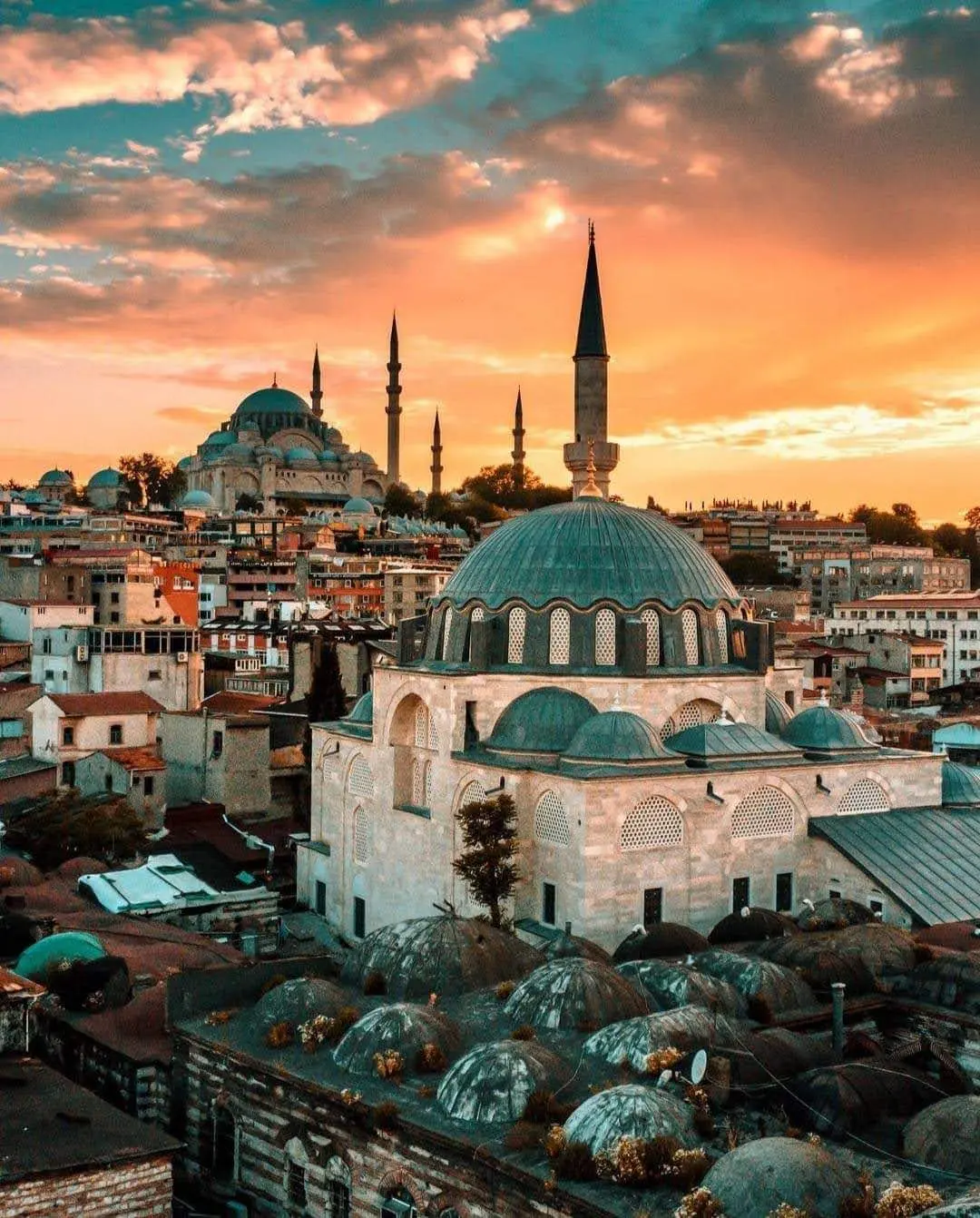
Ruhi: Aydın, you have missed something very important.
Aydın: What now, Hocam?
Ruhi: Süleymaniye Mosque!
Aydın: Ah, yes. How could I forget?
Ruhi: Designed by Mimar Sinan for Sultan Süleyman the Magnificent, Süleymaniye is one of the masterpieces of Ottoman architecture.
And the location is wonderful.
From its elevated position, visitors can enjoy beautiful views over the Golden Horn.
Aydın: I agree. The architecture is magnificent, and the surrounding neighborhood is worth exploring.
Ruhi: For me, this is one of the places where visitors begin to appreciate the genius of Sinan.
Aydın: And it fits beautifully into a walking route toward Eminönü and the Spice Bazaar.
8. Sokollu Mehmed Pasha Mosque — A Hidden Architectural Treasure
Ruhi: And while we are discussing Sinan, we must mention Sokollu Mehmed Pasha Mosque.
Aydın: A wonderful choice.
Ruhi: Many visitors walk through Sultanahmet without realizing this extraordinary mosque is nearby.
It is smaller than the great imperial mosques, but its architecture and exquisite İznik tile decoration are remarkable.
Aydın: This is the kind of place I love recommending to travelers who want something beyond the usual sightseeing list.
Ruhi: Exactly. Sometimes a smaller monument can leave an enormous impression.
9. Rüstem Pasha Mosque — Small, but Bluer Than the Blue Mosque?
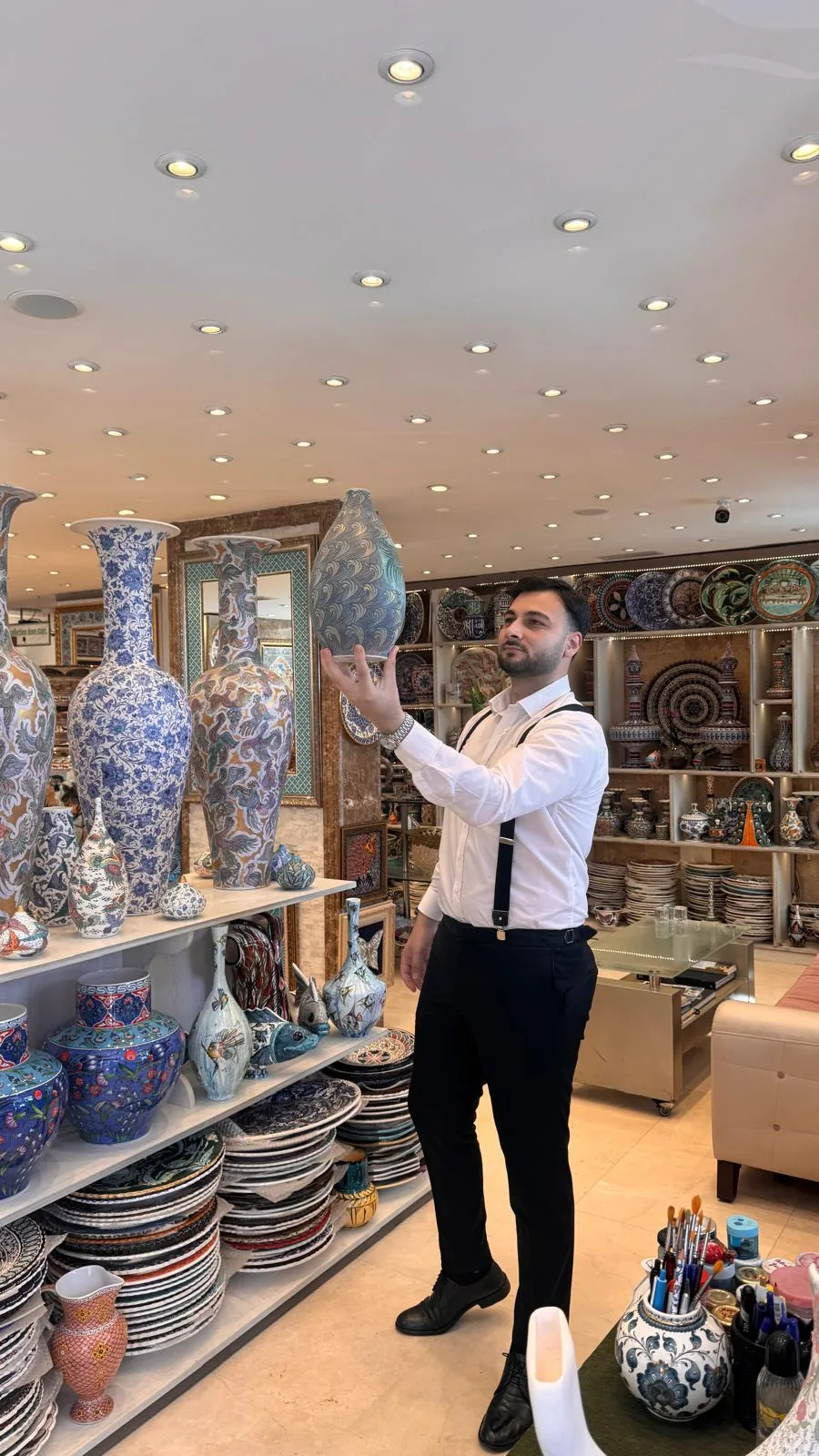
Ruhi: Aydın, I have another mosque for you.
Aydın: Let me guess. Rüstem Pasha Mosque?
Ruhi: Exactly!
Aydın: Oh yes! That little mosque near the Spice Bazaar. The tiles are something else.
Ruhi: That’s what I love about it.
The mosque is not enormous, but the İznik tiles are extraordinary.
Aydın: Sometimes I jokingly tell guests that it might be even bluer than the Blue Mosque.
Ruhi: And then they look around and understand what you mean!
Aydın: This is another reason not to judge a monument only by its size or how famous it is on social media.
10. Spice Bazaar and Eminönü — The Soul of the City
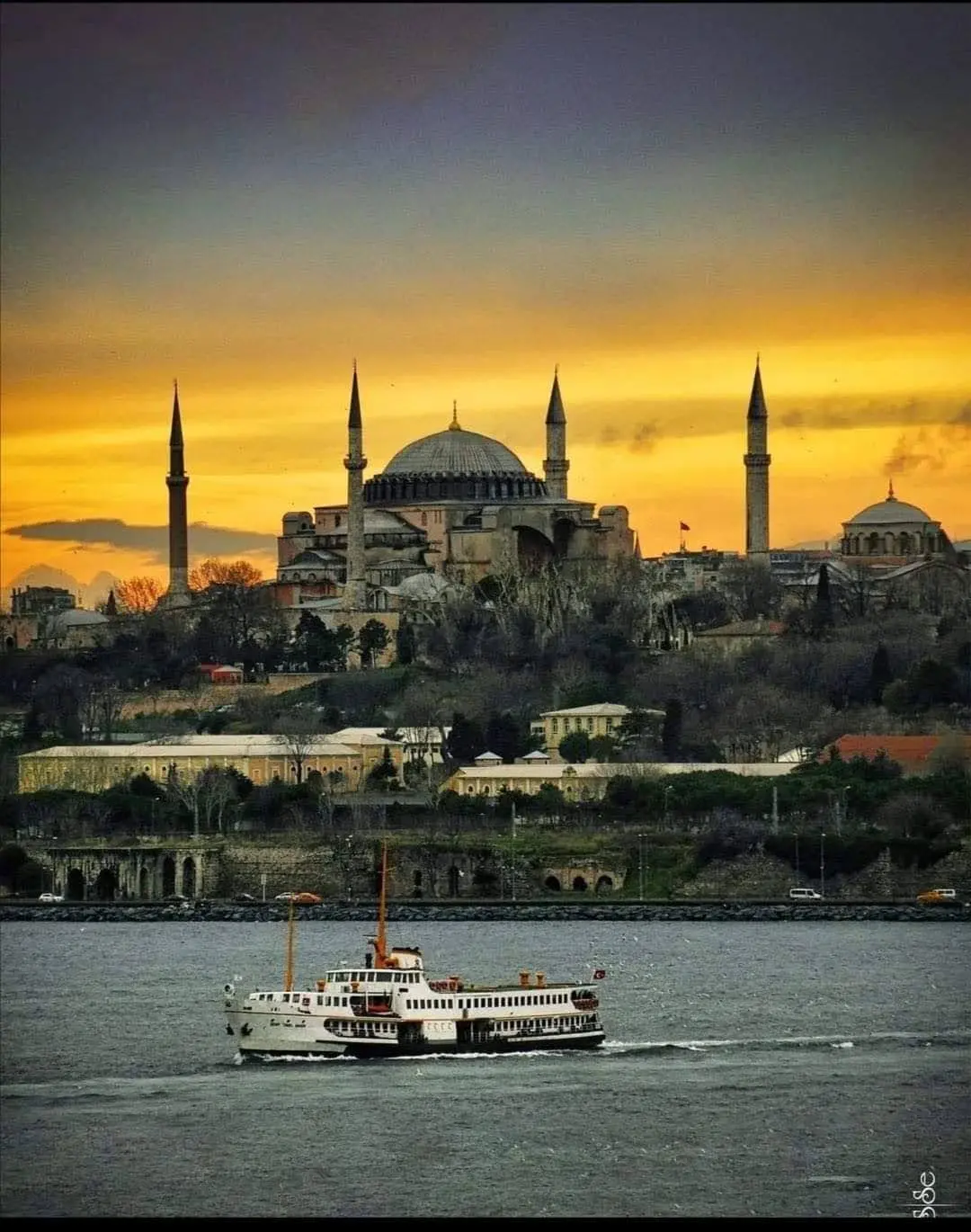
Aydın: Now let’s go down toward Eminönü.
Ruhi: Ah, Eminönü! The soul of the city.
Aydın: The ferries, the shops, the crowds, the sounds, the food, the backstreets…
Ruhi: And the Spice Bazaar.
Aydın: Exactly.
Visitors often focus only on the famous covered market, but I love walking through the surrounding streets.
You see local businesses, traditional food shops, people carrying goods, and everyday Istanbul life.
Ruhi: And you can visit Rüstem Pasha Mosque while you are in the area.
Aydın: Then perhaps cross the Galata Bridge and watch the fishermen.
Ruhi: Now we are getting hungry!
Aydın: That’s usually what happens when we start talking about Eminönü.
11. Istanbul Archaeological Museums — A Journey Through Civilizations
Aydın: Ruhi, I think we need to add the Istanbul Archaeological Museums.
Ruhi: Of course. I was waiting for you to mention them.
Aydın: This is one of the most important places for visitors who are genuinely interested in ancient history.
The collections include remarkable archaeological material from different civilizations, including the famous Alexander Sarcophagus.
Ruhi: And the history of the museums themselves is fascinating. Their development is also part of the Ottoman story of collecting and preserving antiquities.
Aydın: Exactly. Here, Roman, Greek, Anatolian, Mesopotamian, and Ottoman-era collecting histories come together.
Ruhi: But this is not a place to squeeze into a fifteen-minute stop.
Aydın: Definitely not. Museum lovers should allow proper time.
Opening hours and access to individual buildings or galleries may occasionally change. We recommend checking the official museum information shortly before your visit.
12. The Walls of Constantinople — Aydın’s Personal Favorite
Ruhi: Now I know what is coming.
Aydın: What?
Ruhi: The Walls of Constantinople. You cannot write about Istanbul without mentioning them!
Aydın: And why should I?
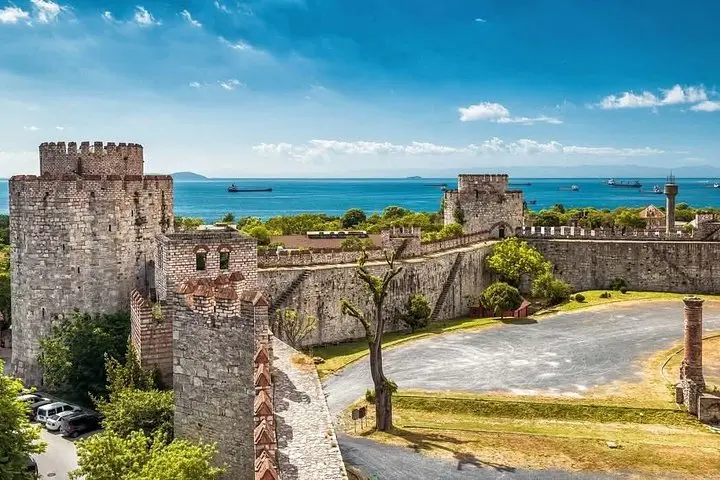
For me, the ancient walls are among the most fascinating historical monuments in the entire city.
The Theodosian Land Walls, the Golden Gate, Yedikule, the surviving gates, and the defensive system of Constantinople tell an extraordinary story.
These fortifications helped protect the city for centuries.
And they played a major role in the history of the Byzantine Empire and the eastern Mediterranean.
Ruhi: But visitors should also understand that the walls have an Ottoman story.
Aydın: Absolutely. The conquest of 1453, the later use of Yedikule, and the transformation of the city are all part of that history.
Ruhi: So your ideal tour is to follow the walls all around the historic peninsula?
Aydın: Exactly. Starting with the Marmara Sea Walls, continuing toward the Golden Gate and the great land walls, then exploring the northern fortifications and the historic Golden Horn coastline.
Ruhi: That is not an ordinary half-day sightseeing tour!
Aydın: No, it is a journey through the history of an empire.
13. Chora — One of Istanbul’s Greatest Byzantine Treasures
Aydın: And if we are exploring Byzantine Istanbul, we cannot miss Chora.
Ruhi: I agree completely.
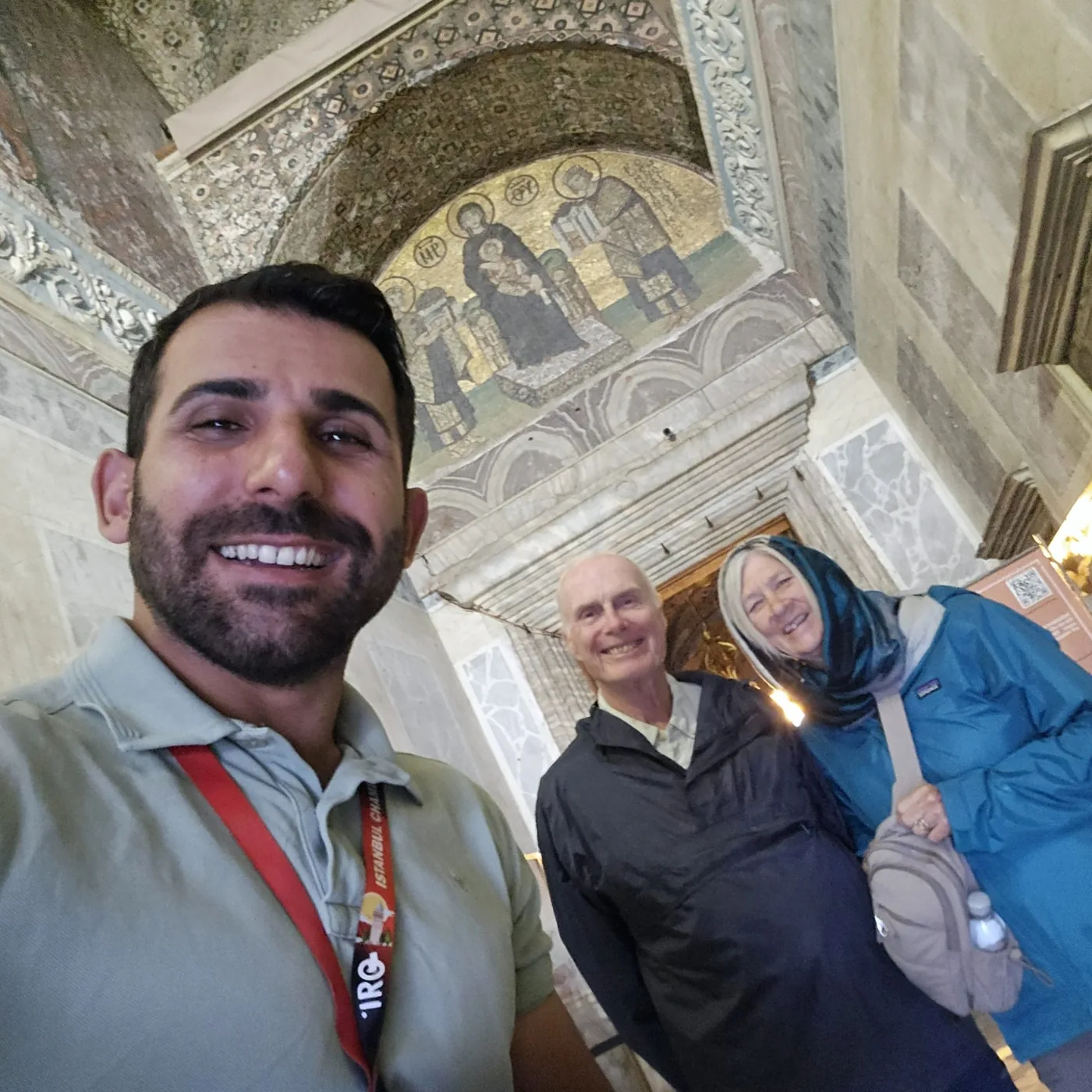
Aydın: The former Church of the Holy Saviour in Chora is famous for its extraordinary late Byzantine mosaics and frescoes.
The scenes are not simply beautiful decorations.
They tell stories.
They reveal theological ideas, artistic traditions, and the extraordinary creativity of the late Byzantine world.
Ruhi: And the building’s later Ottoman history adds another chapter.
Aydın: Exactly.
Today, Chora is known as Kariye Mosque. As with other active religious monuments, visitors should check current access arrangements and respect prayer times.
Ruhi: This is one of the places where your Byzantine enthusiasm is completely justified!
Aydın: Thank you, Hocam. I will remember that compliment.
14. Fethiye Mosque and Zeyrek Mosque — Istanbul Beyond the Tourist Route
Aydın: Now, Ruhi, I want to mention two places that many first-time visitors have never heard of.
Fethiye and Zeyrek.
Ruhi: Ah, now we are moving into the deeper history of Constantinople.
Aydın: Exactly.
Fethiye Mosque was originally associated with the Byzantine Pammakaristos Monastery. Its history includes remarkable late Byzantine artistic traditions and its later transformation into an Ottoman mosque.
Access to the mosaic-bearing museum section may be restricted due to restoration, so current visiting arrangements should always be checked in advance.
Ruhi: And Zeyrek Mosque?
Aydın: Originally part of the Byzantine Pantokrator Monastery complex, Zeyrek is another extraordinary monument.
It represents the religious and architectural history of medieval Constantinople.
Ruhi: And once again, its Ottoman conversion is part of the story.
Aydın: Exactly. That’s why our different historical interests complement each other so well.
15. Galata Tower, Karaköy and Galataport — A Different Istanbul
Ruhi: Aydın, we have spent so much time in the historic peninsula that visitors might think Istanbul ends at the Golden Horn.
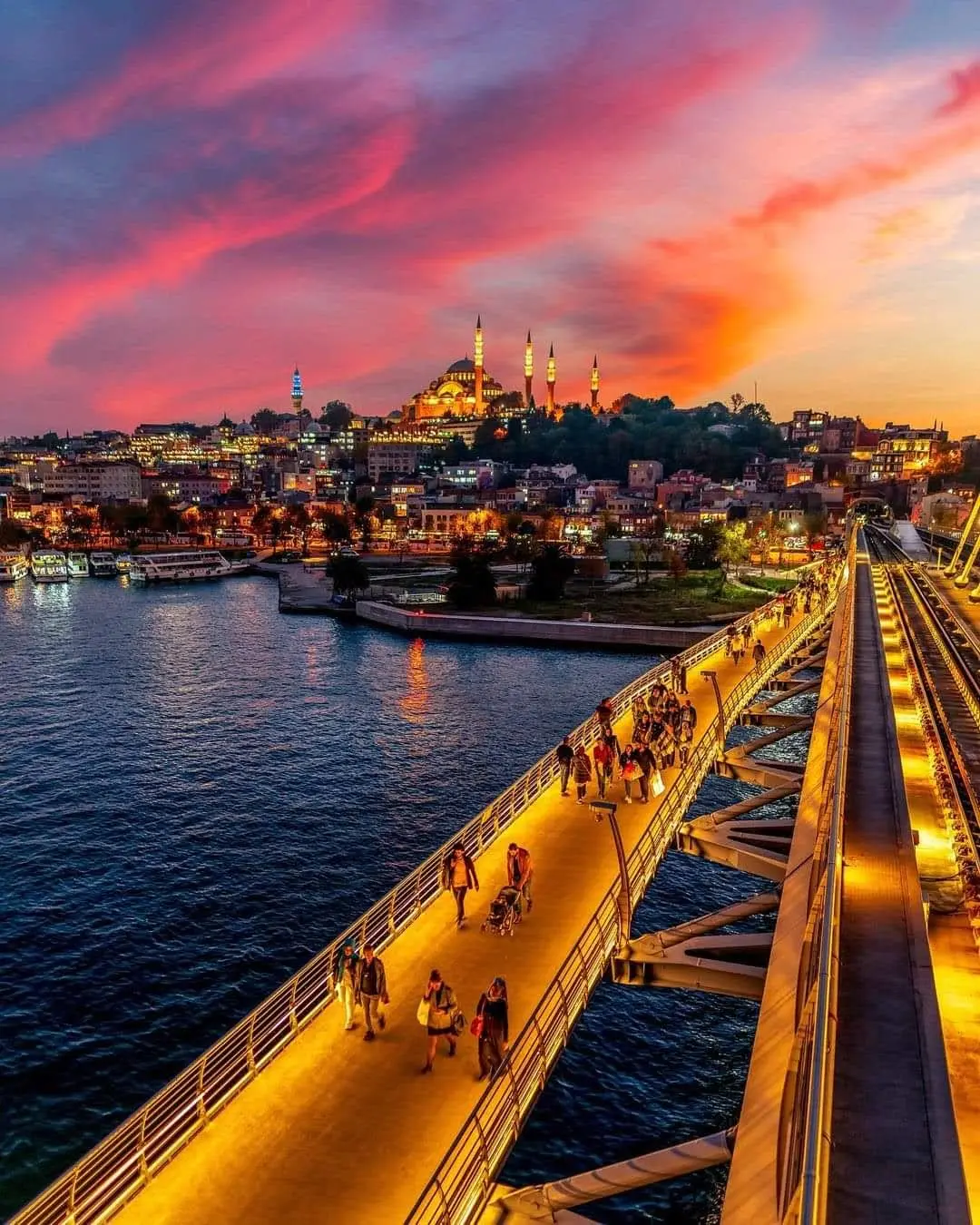
Aydın: Fair point. Let’s cross the Galata Bridge.
Ruhi: Galata Tower is one of the most recognizable landmarks in Istanbul.
But I also love the neighborhood around it.
The historic streets, cafés, shops, architecture, and lively atmosphere make Galata a wonderful place to explore.
Aydın: And nearby Karaköy is full of interesting streets, bakeries, and restaurants.
Ruhi: We should mention Galataport too.
Aydın: Absolutely. The waterfront offers another perspective on the Bosphorus and modern Istanbul.
Ruhi: And perhaps a little baklava afterward?
Aydın: Now you are speaking my language.
16. Taksim and İstiklal Street — The Modern Face of Istanbul
Ruhi: We also need to talk about Taksim Square and İstiklal Street.
Aydın: Of course.
Ruhi: Visitors who only explore Sultanahmet see an important part of Istanbul, but not the whole city.
Taksim and Beyoğlu introduce them to another atmosphere.
Shops, historic passages, churches, restaurants, cafés, and the famous nostalgic red tram.
Aydın: And the streets around İstiklal have their own fascinating histories.
Ruhi: Exactly. Istanbul is not simply Byzantine or Ottoman.
It is also a living modern city.
17. The Bosphorus — The Experience Neither of Us Would Miss
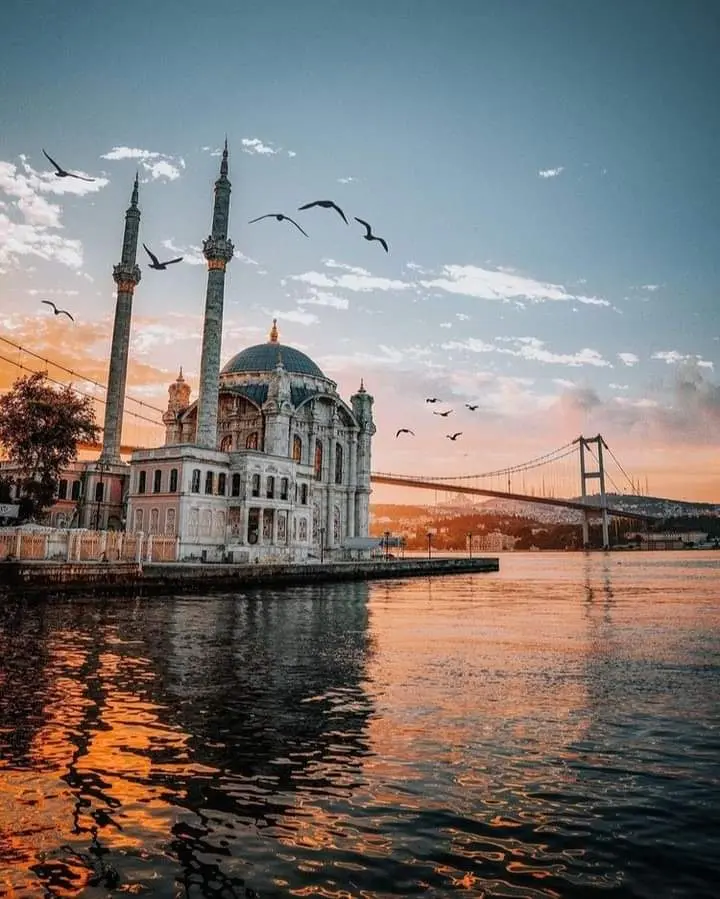
Aydın: Ruhi, we have forgotten something enormous.
Ruhi: The Bosphorus!
Aydın: Exactly.
You cannot truly appreciate Istanbul without seeing the city from the water.
Ruhi: I agree. Whether visitors choose a public ferry, a sightseeing cruise, or a sunset cruise, the Bosphorus is a wonderful experience.
Aydın: From the water, you see the geography of the city in a completely different way.
The hills.
The mosques.
The palaces.
The waterfront neighborhoods.
The European and Asian shores.
Ruhi: And the Bosphorus bridges.
Aydın: Exactly. Sometimes I recommend a sunset cruise after a relaxed morning tour of Sultanahmet.
Ruhi: A wonderful combination. History in the morning, the Bosphorus in the evening.
So, Aydın and Ruhi, Which Attractions Should First-Time Visitors Actually Choose?
Ruhi: We have mentioned so many places that our visitors might be getting worried!
Aydın: You’re right. They asked for must-see attractions, and we practically gave them a history course.
Ruhi: Well, what did they expect from two tour guides?
Aydın: Fair enough. But let’s make it practical.
If You Have Only One Day
Aydın: Focus on the historic heart of Sultanahmet.
Hagia Sophia, the Blue Mosque, the Hippodrome, and perhaps the Basilica Cistern.
Ruhi: And don’t promise yourself that you will see every palace, museum, mosque, and bazaar in the same day.
If You Have Two or Three Days
Ruhi: Add Topkapı Palace, the Grand Bazaar, Süleymaniye Mosque, and the Spice Bazaar.
Aydın: And make time for a Bosphorus cruise. If you have a third day, explore Eminönü, Karaköy, and Galata.
If You Have Four or Five Days
Aydın: Now we can begin to discover more of Istanbul.
The Archaeological Museums, the Walls of Constantinople, Chora, and other Byzantine landmarks.
Ruhi: Plus Dolmabahçe Palace, Taksim, İstiklal Street, and the Asian side.
Aydın: But please remember: five days still won’t reveal everything.
Ruhi: Not even close!
Why We Believe a Local Guide Makes a Difference
Ruhi: Aydın, there is something I think we should explain before we finish.
Many visitors already know the names of the famous attractions from YouTube, Instagram, and travel websites.
Aydın: Yes, but knowing the name of a monument is not the same as understanding its story.
Ruhi: Exactly.
When we guide, we don’t simply point toward a building and tell guests when it was constructed.
We explain why it matters.
How it connects to the history of the city.
What changed over time.
And how different civilizations influenced one another.
Aydın: Sometimes we also disagree about which period is the most fascinating!
Ruhi: You always return to the Romans and Byzantines.
Aydın: And you always find another Ottoman mosque I forgot to mention.
Ruhi: Which is why we make a good team.
Aydın: Exactly.
Two different historical interests, but the same passion for Istanbul.
And that is what we want to share with visitors.
Not just the famous attractions.
The stories that make those attractions unforgettable.
Explore Istanbul With Aydın & Ruhi
At Book Private Istanbul, we believe every visitor deserves an experience that matches their interests, time, and comfort.
Some travelers love Roman and Byzantine history.
Others are fascinated by Ottoman architecture and culture.
Some want to see the most famous landmarks.
Others prefer discovering hidden streets, traditional craftsmanship, local food, and places beyond the usual tourist routes.
Whatever your interests, we would be happy to help you plan your visit.
Our Recommended Private Istanbul Experiences
Historic Sultanahmet — Half-Day Private Tour
Hagia Sophia, Blue Mosque, Hippodrome and Arasta Bazaar.
€135 per private group (1–4 guests).
Topkapı Palace & Basilica Cistern — Private Tour
Topkapı Palace, Basilica Cistern and optional Grand Bazaar.
€150 per private group (1–4 guests).
Two-Day Historic Istanbul Experience
Enjoy both private guided experiences over two days.
€285 total private guide fee (1–4 guests).
We can also discuss customized experiences focusing on the Walls of Constantinople, Chora, Byzantine heritage, Ottoman architecture, and Istanbul’s historic neighborhoods.
Entrance tickets, meals, transportation, and personal expenses are separate unless otherwise specified in your booking confirmation.
Which Istanbul Story Speaks to You Most?
Byzantine Constantinople, Ottoman Istanbul — or both?
Tell Aydın and Ruhi your travel dates, group size, and which historical periods or attractions interest you most.
We’ll design a private experience around your interests, available time, and preferred pace — without rushing you through the city.
Website: Book Private Istanbul
Plan your private tour on WhatsApp
Warm regards,
Aydın & Ruhi
Professional Licensed Tour Guides in Istanbul
Frequently Asked Questions
What are the top five must-see attractions in Istanbul?
For a first visit, we would suggest Hagia Sophia, the Blue Mosque, Basilica Cistern, Topkapı Palace, and a Bosphorus experience. Your personal interests may make other places equally important.
What are the best places for Byzantine history in Istanbul?
Hagia Sophia, the Basilica Cistern, the Hippodrome, the Walls of Constantinople, Chora, and the Archaeological Museums are excellent starting points.
Which Ottoman mosques should I visit?
The Blue Mosque, Süleymaniye Mosque, Rüstem Pasha Mosque, and Sokollu Mehmed Pasha Mosque are among our favorites.
Are Istanbul’s hidden historical sites worth visiting?
Absolutely. Places such as Zeyrek Mosque, the Walls of Constantinople, and lesser-known Byzantine monuments can be fascinating for travelers who enjoy history.
Can I visit all the main attractions in one day?
You can visit several highlights in one day, but trying to see everything usually means rushing. We recommend choosing your priorities or dividing the major sights into two or more days.
Do I need a private guide to visit Istanbul’s attractions?
No, you can explore independently. However, a licensed guide can help you understand the historical context, organize a realistic route, and discover stories and places you might otherwise overlook.
SEO Settings
SEO Title: Must-See Attractions in Istanbul | Two Local Guides Share Their Favorites
Meta Description: What are the must-see attractions in Istanbul? Join licensed guides Aydın and Ruhi as they discuss Hagia Sophia, Topkapı, hidden gems, Ottoman mosques and more.
Suggested URL:
/must-see-attractions-istanbul-local-guides/
Primary Keyword: Must-see attractions in Istanbul
Secondary Keywords: Best places to visit in Istanbul, Istanbul attractions, Istanbul sightseeing, hidden gems Istanbul, Byzantine Istanbul, Ottoman Istanbul, Istanbul private guide, Istanbul historical tours.
Blog Category: Istanbul Attractions / Local Guide Advice / History & Culture