Istanbul’s monumental history is often narrated through male rulers. Yet some of the city’s most important urban projects were commissioned by imperial women. Their foundations funded more than beautiful mosques: they could support schools, kitchens, baths, fountains and other services woven into daily life.
Üsküdar is one of the clearest places to see this legacy. A ferry crossing brings you to a district where buildings associated with Mihrimah Sultan, Nurbanu Sultan, Kösem Sultan and later valide sultans still anchor neighborhoods.
Why Üsküdar mattered
Facing the Historic Peninsula across the Bosphorus, Üsküdar was both a waterfront settlement and a gateway toward Anatolia. Ferries, roads, pilgrimage routes and commercial movement gave the district strategic and symbolic importance. Building here meant shaping how people entered, crossed and experienced the imperial city.
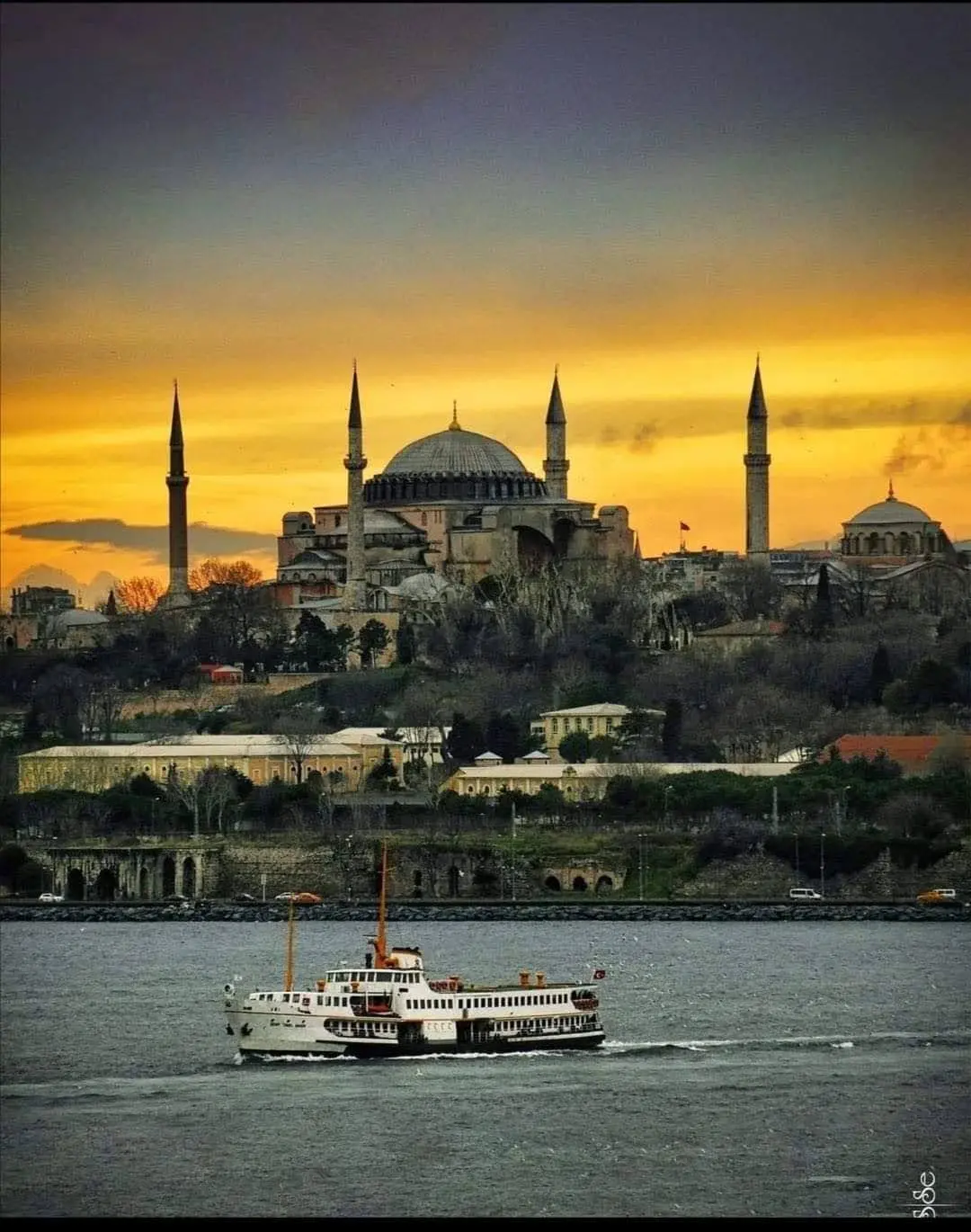
Mihrimah Sultan: presence at the water’s edge
Mihrimah Sultan, daughter of Süleyman the Magnificent and Hürrem Sultan, sponsored major architecture in Istanbul. Her Üsküdar mosque complex occupies a highly visible position near the waterfront. It announced dynastic presence while serving a busy arrival point used by residents and travelers.
Look beyond the silhouette. The important question is not only who designed the building, but how its location connected worship, movement, charity and imperial identity.
Nurbanu Sultan and the Atik Valide complex
Higher in Üsküdar, the Atik Valide complex presents patronage on an urban scale. Commissioned by Nurbanu Sultan and associated with Mimar Sinan, the complex gathered several social and religious functions into a wider institution.
The climb from the shore matters: it reveals how an imperial foundation could organize a neighborhood rather than simply occupy a prestigious waterfront plot.
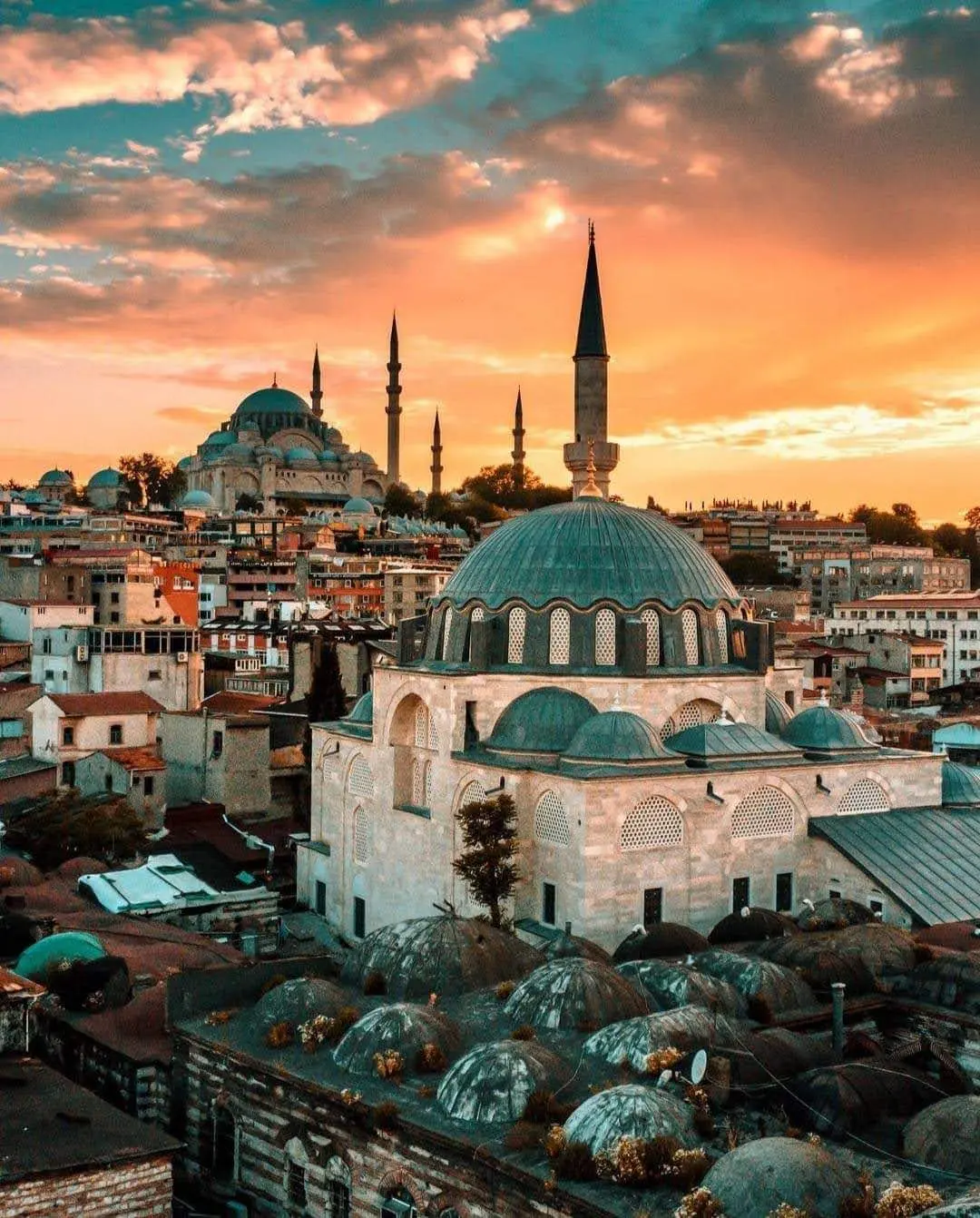
Kösem Sultan and the intimate scale of Çinili Mosque
Çinili Mosque offers a different experience. Associated with Kösem Sultan, it is smaller and more intimate than the vast imperial complexes most visitors know. Its tilework and neighborhood setting help shift the discussion from spectacle to local use.
Kösem’s political life has attracted legend and dramatization. A responsible guided visit separates the documentary record from later storytelling while still explaining why her influence was exceptional.
What “valide sultan” meant
The title referred to the reigning sultan’s mother, a position that could carry significant household, charitable and political influence. The authority of each woman differed, and the phrase “Sultanate of Women” can flatten several generations into one dramatic label. Buildings offer firmer evidence: they show where resources were directed and how a patron wished to be present in the city.
How charitable foundations changed the city
An Ottoman foundation could support the continuing operation of a complex through revenue-producing property. This system connected architecture with food distribution, education, water, hygiene, worship and employment. A mosque was often one part of a broader civic structure.
How to explore this history respectfully
- Remember that the mosques are active places of worship, not only historic monuments.
- Plan around prayer times and accept that interior access may change.
- Dress modestly; women should carry a scarf for mosque interiors.
- Expect hills, steps and uneven pavements in upper Üsküdar.
- Use public transport or short vehicle connections rather than forcing an unrealistic walking route.
Why a thematic private tour works
The monuments are separated by busy streets and changes in elevation, and their meaning depends on connections that are easy to miss. A licensed private guide can organize the route around current access while linking architecture to dynasty, charity, urban growth and women’s history.
This is not a search for palace gossip. It is a way to read power in stone, tile, water and the life of a neighborhood.
Cross the Bosphorus for a different Ottoman story.
Follow the public legacy of the women who shaped Üsküdar with a private licensed guide and a route planned around your pace.
View the Sultanas of Üsküdar tour →